
"Lifetime warranty" is one of the most overused phrases in the window industry, and it's also one of the least useful, because it almost never means what a homeowner assumes it means. Before you compare window quotes on price or style, it's worth comparing the actual warranty documents, because that's where a lot of the real difference between companies shows up.
Key Takeaways
- Renewal by Andersen's limited warranty covers 20 years on glass and Fibrex® material, 10 years on hardware, and 2 years on professional installation, and it's non-prorated and fully transferable.
- Prorated warranties, common industry-wide, reduce your coverage over time, sometimes leaving you paying 25-50% of replacement costs by year ten. Renewal by Andersen's coverage does not prorate.
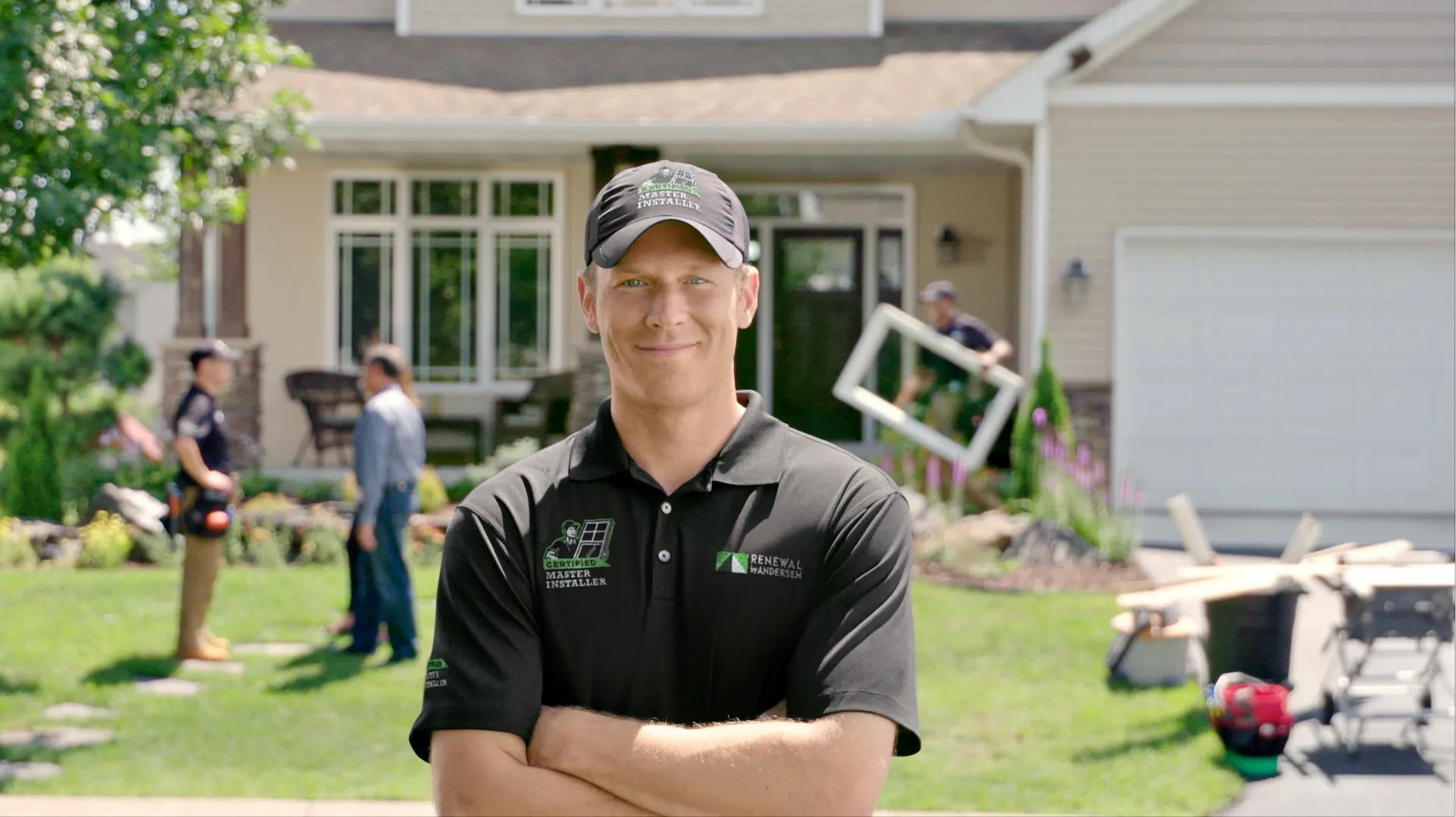
- Renewal by Andersen's 2-year installation warranty is backed by factory-trained Certified Master Installers, not subcontracted labor — so every job meets the same standard.
- A transferable warranty adds resale value; many competitors charge a transfer fee, shorten the coverage period on transfer, or don't allow transfer at all.
- The phrase "lifetime warranty" is not standardized. It can mean the product's estimated lifespan (sometimes as short as 3-5 years for budget windows), the original owner's lifetime, or the life of the home, so the word alone tells you nothing without reading the terms.
- Renewal by Andersen's warranty terms apply because the company manufactures, sells, and installs its own product, so there's no separate manufacturer, retailer, and installer pointing fingers at each other if something goes wrong.
What Does Renewal by Andersen's Warranty Actually Cover?
Renewal by Andersen's limited warranty covers 20 years on glass and Fibrex material, 10 years on hardware, and 5 years on professional installation, and it applies without proration, meaning you don't pay an increasing percentage of the replacement cost as the years go by. This is the standard warranty structure used across Renewal by Andersen's affiliate network.
Here's what each piece actually means in practice:
- Glass and Fibrex material (20 years): covers manufacturing defects in the insulated glass units and the frame material itself, including the Fibrex composite flaking, rusting, blistering, peeling, cracking, pitting, or corroding.
- Hardware (10 years): covers the mechanical parts you interact with directly, locks, hinges, handles, balances, and insect screens.
- Installation (2 years): covers the workmanship of the Certified Master Installers who physically put the windows in, which matters because a lot of window failure traces back to installation error rather than the product itself.
The warranty is also fully transferable if you sell your home, without a transfer fee or a reduced term, which is worth flagging on its own since it's one of the more common places competitors quietly limit coverage.
What Does "Lifetime Warranty" Actually Mean, and Why Does It Vary So Much?
"Lifetime warranty" has no single industry definition, and it can mean the manufacturer's estimate of the product's useful lifespan (which can be as short as 3-5 years for budget windows), the original owner's actual lifetime, or the life of the home, so the phrase by itself tells you nothing about what you're covered for. That's not a knock on any one company. It's just a fact about how the phrase gets used across the industry, and it's exactly why the specific terms matter more than the word "lifetime" printed on a brochure.
The honest answer here is that a shorter, clearly defined, non-prorated warranty is often worth more than a vague "lifetime" claim loaded with exclusions. A 20-year warranty with straightforward, non-prorated terms is a stronger promise than a "lifetime" warranty that quietly drops to 50% coverage by year ten.
When you're evaluating any warranty, including this one, the specific questions worth asking are:
- Lifetime of what: the product, the original owner, or the home?
- Is it prorated, and if so, when does proration start?
- Does it cover labor, or only parts?
- Is it transferable, and does transfer cost anything or shorten the term?
What's the Difference Between Prorated and Non-Prorated Coverage?
A prorated warranty reduces the percentage of repair or replacement cost the manufacturer covers as the window ages, so a seal failure that's fully covered in year one might only be 50% covered by year ten, with the homeowner paying the rest out of pocket. A non-prorated warranty covers the same repair at the same rate for the entire warranty term, regardless of the window's age.
This distinction matters more than the headline number of years. A common industry structure covers years one through five at 100%, then gradually shifts more of the cost to the homeowner, so that by the end of the stated term, the coverage is worth a fraction of what the brochure implied. Renewal by Andersen's limited warranty is structured as non-prorated across its glass, hardware, and installation terms, meaning the coverage percentage doesn't erode over time within the warranty period.
To be fair to the alternative here: prorated warranties usually accompany lower upfront pricing, and for a homeowner who plans to sell within a few years or is working with a tight budget, that trade-off may be a reasonable one. It's a real trade-off, not a trick, as long as the terms are disclosed clearly and you understand what you're accepting.
How Does Installation and Labor Coverage Compare Across the Industry?
Labor and installation coverage is one of the biggest and least advertised differences between window companies, ranging from as little as 1-2 years at some manufacturers to lifetime coverage at others, with most falling somewhere in between. Renewal by Andersen's 2-year installation warranty is backed by Certified Master Installers — factory-trained on this exact product, not subcontracted labor — so workmanship quality doesn't vary from job to job, ensuring high-quality products and top service:
| Coverage Category | Typical Industry Range | Renewal by Andersen |
|---|---|---|
| Glass (insulated units) | 10-20 years | 20 years |
| Frame material | 15 years to lifetime | 20 years (Fibrex®) |
| Hardware (locks, hinges, rollers) | 5-15 years | 10 years |
| Labor / Installation | 1-10 years | 2 years |
| Proration | Common, especially on "lifetime" claims | Non-prorated |
| Transferability | Varies; fees or reduced terms common | Fully transferable, no fee |
This matters because a product warranty is only as good as the labor warranty behind it. If a window is defect-free but was installed incorrectly, causing drafts, water intrusion, or premature seal failure, a short labor warranty leaves you paying for the fix yourself even though the underlying problem wasn't the window's fault. This is also why Renewal by Andersen's model, where the same company manufactures, sells, and installs the product, matters practically and not just as a marketing point: there's one warranty covering the whole job, rather than a manufacturer's warranty on materials and a separate, shorter contractor warranty on the installation.
Why Does Warranty Transferability Matter If I'm Not Planning to Sell?
Transferability matters even if you're not planning to sell soon, because it protects the resale value of the upgrade you're paying for now and removes a negotiating point a buyer's inspector might otherwise raise later. Many manufacturers either don't allow transfer at all, charge a transfer fee, or cut the remaining coverage period when the home changes hands, sometimes down to as little as 10 years regardless of how much of the original term was left.
Renewal by Andersen's limited warranty transfers automatically to the next homeowner, with no fee and no reduction in the remaining term. In a market where a buyer's home inspector flags older or unclear window warranties as a negotiating point, a documented, fully transferable warranty is a concrete answer rather than a vague reassurance.
What Voids a Window Warranty, and How Do I Avoid That?
Most window warranties, including strong ones, exclude damage from accidents, storms, improper maintenance, or unauthorized repairs, and using an uncertified installer can void coverage entirely even if the window itself was never at fault. It's worth reading this section of any warranty carefully, since it's where "the warranty didn't actually cover my problem" surprises usually come from.
Common exclusions across the industry, and worth checking against any warranty you're evaluating:
- Accidental or storm damage (hail impact, a thrown object, wind-borne debris) is typically not covered under a standard product warranty, since that's damage from an external event rather than a manufacturing defect.
- DIY or non-certified installation can void coverage entirely, which is part of why Renewal by Andersen ties its installation warranty specifically to its own Certified Master Installers.
- Improper maintenance, like using solvent-based stains on Fibrex material instead of the wood veneer interior, can void the material warranty on that section of the window.
- Normal wear and tear, cosmetic scratches, and dust are standard exclusions across virtually every warranty in the industry, not a Renewal by Andersen-specific limitation.
If you're comparing warranties on a storm-prone market like Houston or Kansas City, note that a standard product warranty is not a substitute for homeowners insurance when it comes to hail or hurricane damage. Those are two different kinds of coverage answering two different problems.
Is a Longer Warranty Always Better?
Not necessarily. A longer warranty is only as valuable as its proration schedule, its labor coverage, and its transferability, so a 25-year "lifetime" claim with heavy exclusions can be worth less in practice than a clearly defined 20-year, non-prorated warranty. The number of years printed on a badge is the easiest thing to compare and the least informative one.
Where the real value shows up is in the details: does the coverage stay at 100% for the full term, does it include labor and not just parts, and does it transfer without penalty if you sell. Those three questions matter more than the headline year count, and they're exactly where warranties that look similar on the surface can differ the most in what they'd actually pay for when something goes wrong.
What to Actually Check Before You Sign
Don't take "lifetime warranty" at face value from any company, including this one. Ask what it covers, for how long, whether it's prorated, and whether it transfers. Renewal by Andersen's answer to those questions is a clearly defined, non-prorated structure: 20 years on glass and Fibrex material, 10 years on hardware, and 2 years on installation, fully transferable with no fee.
If you're comparing quotes from multiple companies, put their actual written warranty terms side by side rather than relying on the word "lifetime" from a salesperson. The years matter less than whether the coverage stays intact for the full term and whether it includes the labor to fix the problem, not just the part.
Schedule a Consultation