
Finding mold growth around your windows is more than just a cosmetic frustration; it is a clear signal that moisture has compromised your home’s primary line of defense. In areas like Houston, Kansas City, El Paso, and New Mexico, where humidity levels and temperature swings can be extreme, understanding why mold forms and how to stop it is essential for protecting your property and your peace of mind.
What Causes Mold to Grow on Home Windows?
Mold thrives where there is a combination of moisture, warmth, and organic material to feed on. In many homes, windows become the primary site for this growth due to persistent condensation. When warm, humid indoor air meets the cooler surface of a window pane, water droplets form. If your windows are older or poorly insulated, this moisture sits on the frame and sash, creating an ideal breeding ground for mold spores.
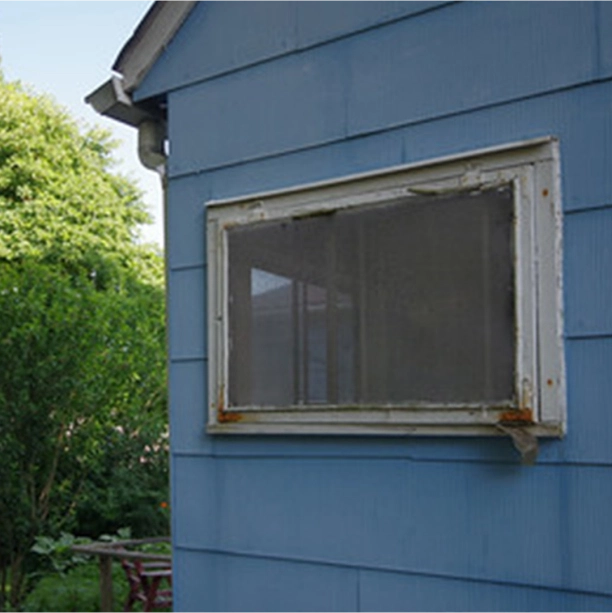
Beyond simple surface condensation, structural failures are often the root cause:
- Failed Window Seals: When the seal on a dual-pane window fails, moisture can become trapped between the glass layers or seep into the frame itself, leading to mold that is impossible to clean.
- Water Infiltration: Aging frames can develop hairline cracks or gaps that allow rainwater to bypass the flashing and soak into the surrounding drywall and insulation.
- Poor Ventilation: In areas like the kitchen or bathroom, trapped steam increases local humidity, which settles on window surfaces if air isn't circulating properly.
How Can You Prevent Mold Growth on Your Windows?
The most effective way to prevent mold is to control the moisture levels inside your home. Homeowners in humid climates like Houston or seasonally damp areas like Kansas City should aim to keep indoor humidity levels between 30% and 50%. Utilizing exhaust fans while cooking or showering and ensuring that drapes are opened during the day to allow airflow can significantly reduce surface moisture.
However, if your windows are structurally compromised, lifestyle changes may not be enough. Professional-grade replacement windows are engineered to minimize the thermal transfer that causes condensation. Renewal by Andersen® utilizes exclusive Fibrex® material, a revolutionary composite that offers the strength of wood while remaining exceptionally stable through the intense heat of El Paso or the freezing winters of New Mexico. Because Fibrex® material does not expand and contract like other materials, the seals remain tight, preventing the gaps that typically lead to moisture intrusion and subsequent mold growth.
What are the Signs That Moldy Windows Need Replacement?
While small spots of surface mildew can sometimes be cleaned, certain signs indicate that the problem has moved deep into the window's structure, necessitating a full-service replacement. If you notice any of the following, it is time to consult with a specialist:
- Soft or Decaying Frames: If the wood around your window feels spongy or shows signs of rot, mold has already begun breaking down the organic fibers of the frame.
- Condensation Between Panes: Moisture trapped inside the glass unit is a definitive sign of seal failure.
- Musty Odors Near the Opening: A persistent damp smell, even after cleaning, suggests mold is growing behind the casing or in the wall cavity.
- Bubbling Paint or Stained Drywall: These are indicators that water is leaking through the window assembly and damaging your home's structure.
Why Choose a Full-Service Process for Mold Issues?
When dealing with mold, a "quick fix" from a general contractor often fails to address the underlying moisture source. At Renewal by Andersen®, our full-service approach ensures that every vulnerability is eliminated. Our process begins with a "Tech Measure" step—where we measure twice and order once—to ensure a precision fit that blocks out the elements.
On installation day, our local crews and Certified Master Installers do more than just swap glass. We perform a pre-removal dry fit and inspect the rough opening for any hidden water damage or rot. By utilizing our specialized "measure, build, and install" methodology, we provide a weathertight seal that general "jack-of-all-trades" contractors simply cannot match. This expertise, combined with our industry-leading limited warranty—which is fully transferable and stays with the home automatically—ensures that your mold problems are solved for the long term.
Moldy windows are a symptom of a larger performance failure in your home’s envelope. By recognizing the signs early—such as persistent condensation or soft frames—homeowners in Houston, Kansas City, El Paso, and New Mexico can take proactive steps to protect their investment. Replacing failing units with custom-manufactured windows made from Fibrex® material offers a permanent solution to moisture intrusion, backed by the expertise of Certified Master Installers.
Schedule a Consultation